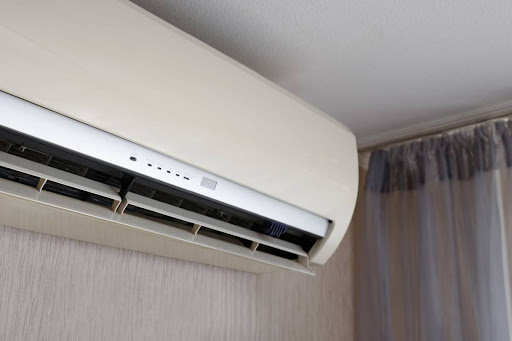
An AC trips the circuit breaker when it draws more electrical current than the breaker can safely handle. The most common causes include dirty air filters, low refrigerant, a failing capacitor, a faulty compressor, or wiring problems. Some issues are simple DIY fixes, but most require a licensed maintenance technician to diagnose and repair safely.
It happens at the worst possible time. The summer heat is cranking, your AC kicks on, and then silence. You check the breaker panel, flip the switch back, and within minutes, it trips again. Frustrating? Absolutely. But your circuit breaker isn’t malfunctioning. It’s doing exactly what it was designed to do: protecting your home from an electrical problem that could cause serious damage, or worse, a house fire.
The real question is what’s causing your AC to demand more power than the circuit can safely deliver. The answer could be something as simple as a clogged air filter or as serious as a failing compressor. Either way, it’s not something to ignore or keep resetting your way through.
This guide breaks down every common reason an air conditioner trips the circuit breaker, what you can safely check yourself, and when it’s time to stop troubleshooting and call a professional HVAC technician. If you’re located in Martinsburg, WV, or the surrounding Eastern Panhandle area, the team at Johnson & Johnson Heating, Air Conditioning & Plumbing has been solving exactly these kinds of AC electrical problems for over 30 years.
What Does It Mean When Your AC Trips the Circuit Breaker?
Your home’s circuit breaker is a safety device. Each breaker in your panel is rated for a specific amperage, typically 15 to 60 amps, depending on the circuit. When the electrical load on that circuit exceeds the rated limit, the breaker trips automatically to prevent overheating and potential fire.
Air conditioners are high-demand appliances. A central AC unit typically requires a dedicated 240-volt circuit, and the breaker size is matched to the unit’s amperage draw. When your AC starts pulling more current than it should, whether due to a mechanical problem, an electrical fault, or a worn component, the breaker detects the surge and shuts things down.
A breaker that trips once during a heatwave might just be a coincidence. A breaker that keeps tripping every time your AC runs is a clear signal something is wrong.
What Are the Most Common Reasons an AC Trips the Circuit Breaker?
Is a dirty air filter causing your AC to trip the breaker?
This is the most overlooked cause, and the easiest to fix. A clogged air filter restricts airflow through your system. When airflow is restricted, your AC has to work harder to pull air across the evaporator coil. That extra effort translates to higher electrical demand, which can push your system past what the breaker is rated to handle.
Check your air filter first. If it’s gray and visibly clogged with dust, replace it with a fresh one. Filters should generally be replaced every one to three months, depending on usage and household conditions.
Can low refrigerant cause an AC to trip the breaker?
Yes, and it’s one of the more common culprits. Refrigerant is the substance that absorbs heat from your home’s air. When refrigerant levels are low (typically due to a slow leak), the system has to run longer and harder to achieve the same cooling effect. This prolonged strain increases the electrical load on the motor and compressor, which can eventually cause the breaker to trip.
Signs of low refrigerant include warm air blowing from vents, ice forming on the refrigerant lines, and unusually long run cycles. Refrigerant handling requires an EPA Section 608 certification, so this isn’t a DIY repair, contact a licensed HVAC technician.
What happens when an AC capacitor fails and causes breaker trips?
The capacitor is a small cylindrical component that gives your AC’s motors a power boost at startup and helps keep them running. Over time, capacitors degrade and eventually fail. A failing capacitor forces the motor to draw significantly more current during startup, a condition known as a “hard start.” That current spike is often enough to trip the breaker.
A bulging or leaking capacitor is a clear sign of failure. Capacitor replacement is a relatively affordable repair, but it involves working with components that store electrical charge even after the power is off. This is a job best left to a trained technician.
Could a faulty compressor be why your AC keeps tripping the breaker?
The compressor is the heart of your AC system, and it’s also one of the most power-hungry components. As compressors age or sustain damage, they can develop what’s known as a “grounded” or “shorted” condition, meaning electricity is leaking into parts of the compressor where it shouldn’t be. This causes excessive current draw and repeated breaker trips.
A compressor that’s beginning to fail often trips the breaker immediately or within a few minutes of startup. This is a serious problem. Continuing to reset the breaker and run the system risks permanent compressor damage, turning a costly repair into an even costlier replacement.
Can an oversized or undersized AC unit cause electrical problems?
Sizing matters more than most homeowners realize. An AC unit that’s too large for the space it’s cooling will short-cycle, turning on and off frequently rather than completing full run cycles. Repeated startup surges put unusual stress on the breaker and electrical components. A unit that’s too small, on the other hand, runs constantly and overworks its motors, creating a similar problem from the other direction.
If your system was recently installed and you’re already experiencing breaker issues, improper sizing could be a contributing factor.
Is a dirty condenser coil causing your AC to overwork and trip the breaker?
Your outdoor condenser unit releases heat captured from inside your home. When the condenser coils are coated in dirt, dust, or debris, heat can’t escape efficiently. The compressor and fan motors have to work harder to compensate, drawing more current as a result.
Annual AC maintenance, including a professional coil cleaning, helps prevent this issue and extends the life of your equipment.
What electrical problems can cause an AC to trip the circuit breaker?
Sometimes the problem isn’t the AC unit itself, it’s the wiring. Loose connections, corroded terminals, damaged wiring, or an aging breaker that’s no longer holding its rated amperage can all cause nuisance trips. A breaker that repeatedly trips and feels warm to the touch, or a breaker that trips even after the AC is fully serviced, may simply be worn out and need replacement.
Electrical issues require a licensed electrician or qualified HVAC technician to inspect safely. Don’t attempt to modify wiring or replace breakers without proper training.
What Should You Do When Your AC Trips the Breaker?
Here’s a safe, step-by-step approach before calling for help:
- Turn off your AC at the thermostat. Don’t just reset the breaker while the system is still calling for cooling.
- Wait 30 minutes. This allows the compressor to equalize pressure and the system to cool down.
- Check and replace the air filter if it’s dirty.
- Reset the breaker once by switching it fully to the “off” position before flipping it back to “on.”
- Turn your AC back on and monitor it closely for 15 to 20 minutes.
If the breaker trips again, stop resetting it. Repeated resets without addressing the underlying problem risk damaging your compressor, burning out motors, or creating a fire hazard. At that point, it’s time to call an HVAC technician.
When Should You Call an HVAC Technician for AC Breaker Problems?
Call a professional if any of the following apply:
- The breaker trips immediately or within minutes of being reset
- You smell burning near your AC unit or electrical panel
- The breaker feels hot to the touch
- Ice is visible on your refrigerant lines or indoor unit
- Your AC is blowing warm air before it trips
- The problem recurs after replacing the filter and cleaning the area around the outdoor unit
These symptoms point to internal mechanical failures, refrigerant issues, or electrical faults that require diagnostic equipment and professional expertise to address safely.
How Johnson & Johnson Can Help With AC Electrical Problems in Martinsburg, WV
Johnson & Johnson Heating, Air Conditioning & Plumbing has been serving homeowners throughout Martinsburg, WV, Frederick, MD, and the surrounding Eastern Panhandle communities for over 30 years. The team is family-owned, locally operated, and rated 5 stars across more than 2,600 Google reviews.
When your air conditioner keeps tripping the breaker, Johnson & Johnson’s certified HVAC technicians will diagnose the root cause accurately, whether it’s a failing capacitor, a refrigerant leak, a stressed compressor, or a wiring fault, and walk you through every repair option before any work begins. No guesswork, no unnecessary upsells.
Call 301-381-2891 or schedule your AC service online today.
How Can You Prevent Your AC from Tripping the Circuit Breaker in the Future?
Prevention is far less expensive than emergency repair. A few habits go a long way:
- Replace air filters regularly, every one to three months during peak cooling season
- Schedule annual AC maintenance before summer, ideally in the spring
- Keep the area around your outdoor unit clear of debris, vegetation, and obstructions
- Sign up for a maintenance plan, like Johnson & Johnson’s Comfort Club, to stay ahead of worn components before they cause failures
Routine maintenance catches failing capacitors, low refrigerant, and dirty coils early, before they escalate into a mid-summer emergency.
Frequently Asked Questions About AC Breaker Problems
Why does my AC trip the breaker only on hot days?
On the hottest days, your AC runs longer and works harder to maintain your set temperature. This sustained effort increases the electrical load on the system. If a component is already weak or marginal, such as a deteriorating capacitor or low refrigerant, extreme heat is often the trigger that pushes it past the breaking point.
Is it safe to keep resetting the breaker when my AC trips it?
Resetting the breaker once to see if the problem recurs is reasonable. Repeatedly resetting it without investigating the cause is not safe. Continued resets can overheat wiring, damage the compressor, or wear out the breaker itself, turning a manageable repair into a much larger problem.
How much does it cost to fix an AC that keeps tripping the breaker?
Repair costs vary significantly based on the cause. A capacitor replacement typically runs $150-$400. Refrigerant recharge can range from $200-$600 depending on the refrigerant type and the amount needed. Compressor replacement is considerably more expensive, often $1,000-$2,500 or more. Getting a professional diagnosis early is the best way to keep costs manageable.
Can I reset my AC circuit breaker myself?
Yes, resetting the breaker itself is safe as a one-time troubleshooting step, provided you follow the correct procedure: turn the AC off at the thermostat first, wait 30 minutes, then reset the breaker. If it trips again, do not continue resetting. Call an HVAC professional.
How do I know if my AC needs a new circuit breaker or a new AC unit?
A licensed HVAC technician can run diagnostic tests to determine whether the breaker is failing independently or whether the AC unit is drawing excessive current. If the AC checks out mechanically but the breaker trips, an electrician may need to replace the breaker. If the compressor is grounded or the system is aging significantly, replacement of the AC unit may be the more cost-effective long-term solution.